


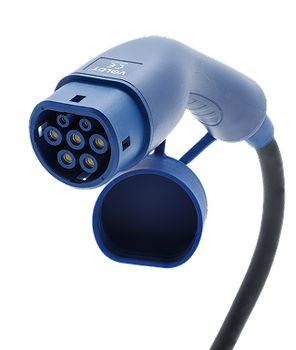
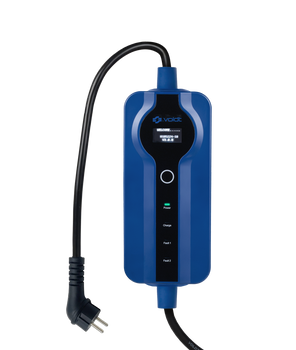

Electric vehicle charging is often discussed in terms of power, compatibility, and speed. Far less attention is given to temperature, even though it is one of the most decisive factors affecting how a charging cable behaves over time. Cold winters and hot summers do not just test vehicles and batteries. They also test the materials that sit between the grid and the car every single day.
Key Takeaways
- Temperature directly affects EV charging cable performance and durability.
- Cold conditions make insulation materials stiffer and less flexible, increasing the risk of cracking and mechanical damage.
- High temperatures soften insulation and internal materials, leading to gradual structural degradation.
- Thermal cycling (repeated temperature changes) causes more long-term wear than a single exposure to extreme heat or cold.
- Material choice matters - TPU, for example, maintains flexibility better across temperature extremes than some standard rubber compounds.
- Real-world conditions are harsher than laboratory testing, due to repeated bending, coiling, and environmental exposure.
- Cable engineering and high-quality materials are critical for long-term safety, reliability, and lifespan.
A charging cable is not a static component. It is bent, coiled, dragged, stepped on, frozen, heated, and exposed to moisture. Temperature directly influences how well it handles all of that. Understanding what happens inside a cable when temperatures drop or rise explains why some cables stay flexible and safe for years, while others stiffen, crack, or degrade far sooner than expected.
What Cold Weather Does to Charging Cables
Low temperatures immediately expose material quality. In winter conditions, especially around or below freezing, the insulation around the conductors becomes less elastic. Cheaper compounds lose flexibility quickly, making the cable harder to handle and more vulnerable to damage when bent.
When insulation stiffens, mechanical stress concentrates at specific points:
-
Near the connector
-
At tight bends
-
Where the cable exits strain reliefs
Over time, repeated stress can cause micro-cracks in the insulation layer. These cracks are often invisible but allow moisture to penetrate deeper into the cable structure. Once that happens, long-term reliability drops sharply.
Winter is not just a seasonal inconvenience. It is a real-world stress test that reveals whether a charging cable was engineered for everyday use or simply designed to meet minimum certification thresholds in controlled environments.
Heat and Long-Term Material Fatigue
High temperatures introduce a different set of challenges. During charging, current flow naturally generates heat in the conductors. In warm ambient conditions, especially during prolonged charging sessions, insulation materials are exposed to sustained thermal load.
Lower-grade materials soften under heat and recover poorly once cooled. This gradual loss of structural integrity accelerates ageing.
Over time, insulation may:
-
Become brittle
-
Shrink
-
Lose its tight bond around conductors
While this degradation happens gradually, it directly affects electrical stability and safety margins.
A well-designed charging cable must remain dimensionally stable and mechanically resilient across thousands of heating and cooling cycles. This cannot be solved by thicker insulation alone. It depends on the chemical composition of the insulation and how it responds to temperature stress over time.
TPU vs Rubber Blends: Why Material Choice Matters
Two insulation approaches are commonly used in EV charging cables:
-
Thermoplastic polyurethane, TPU
-
Rubber-based blends
On paper, both can meet regulatory requirements. In practice, their behaviour under temperature stress differs significantly.
Rubber blends often feel soft initially but can harden noticeably in cold conditions. Repeated exposure to low temperatures accelerates the loss of flexibility, making winter handling more difficult and increasing mechanical strain during everyday use.
TPU, when formulated correctly, maintains flexibility across a wider temperature range. It resists both cold-induced stiffness and heat-related deformation more effectively.
This consistency is critical for users who charge outdoors year-round, particularly in regions with pronounced seasonal variation.
Material choice also influences abrasion resistance and resistance to micro-cracking. TPU insulation typically offers higher resistance to surface damage, reducing the likelihood that small defects develop into long-term failures.
Why Repeated Stress Matters More Than Extreme Temperatures
Extreme temperatures alone rarely destroy charging cables. Repeated cycles do.
Every time a cable cools overnight and warms during charging, materials expand and contract. Every bend, coil, or twist during these cycles adds mechanical stress.
If insulation materials cannot absorb that stress elastically, microscopic damage accumulates. Over months and years, this leads to visible cracking, reduced ingress protection, and compromised electrical insulation.
This is why winter use often exposes quality differences faster than laboratory testing. Real users apply uneven loads, imperfect bends, and inconsistent storage habits. A cable designed with real-world thermal behaviour in mind survives these conditions without relying on ideal handling.
Engineering for Temperature Stability
At Voldt®, temperature performance is not treated as a secondary feature. Charging cables are engineered to remain flexible, stable, and safe across a wide operational temperature range.
Material selection prioritises elasticity retention, resistance to thermal ageing, and long-term mechanical durability.
This approach goes beyond passing certification tests. It focuses on how cables behave after years of daily use, repeated temperature swings, and unavoidable handling stress. The result is a cable that feels consistent in winter, remains stable during summer charging, and maintains its protective properties throughout its service life.
Built for Everyday Conditions, Not Just the Lab
Temperature does not care about specifications on paper. It reveals weaknesses quietly, one cold morning or warm charging session at a time.
A charging cable that performs reliably across seasons is not accidental. It is the result of deliberate material choices and conservative engineering.
Reliable charging starts long before the connector reaches the car. It starts with materials that behave predictably, regardless of the weather. That is what turns a charging cable into a long-term tool rather than a consumable accessory.
Voldt® designs and manufactures EV charging cables in Europe with this exact reality in mind. Certified, weather-resistant, and engineered for everyday use. We have different types like:
Because charging should remain simple, safe, and dependable in every season.